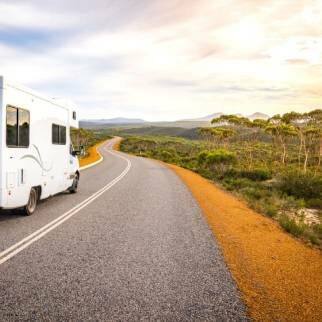
Tasmania might look small on a map, but there’s a surprising amount to fit into a holiday. This 10 day Tasmania itinerary takes you from Hobart along the east coast, through Launceston and into the mountains around Cradle Mountain. It’s a great introduction to the island, but if time and budget allow, consider staying longer. Once you’ve made the journey to Tasmania, an extra week or two could mean seeing more of the island without having to plan another trip.
Is 10 days enough to see Tasmania by campervan?
Yes, you can enjoy a fantastic Tasmania road trip in 10 days, provided you concentrate on one part of the island rather than trying to see everything. We generally recommend at least 14 days, or 21 days for gallivanters who have more time to explore.
Tasmania’s winding roads can be deceiving… journeys can take longer than you think. On top of that you’re going to want to stop along the way and explore some of the little towns you pass through. You’ll find plenty of roadside rest areas to stop and make a cuppa and enjoy the view or possibly a stroll to stretch the legs.
We’ve put together a suggested route itinerary below which is a great starting point. It’s a great way to experience some of Tasmania’s highlights, but with only ten days, you’ll need to be selective about where you stop and how long you stay.
Where should you start your Tasmania campervan holiday?
Hobart is the starting point for this itinerary, with campervan and motorhome collection and return at the Hobart depots. If you’re flying into Tasmania, it’s worth considering an early arrival so you can collect your vehicle that day, get organised and make the most of your time on the road.
With only ten days on the road, flight times can make a big difference. Your campervan will need to be returned during depot opening hours, so consider booking your flight home for the following day or later in the afternoon after returning the campervan. This allows you to enjoy your final day on the road without having to drop off at the depot early and then rush straight to the airport.
Your 10 day Tasmania itinerary by campervan
This suggested route starts and finishes in Hobart, taking in the Tasman Peninsula, East Coast, Launceston and Cradle Mountain. We’ve concentrated on these highlights rather than attempting to cover the entire island, leaving the west coast for a longer trip.
For more ideas on places to visit, take a look at our Tasmania suggested travel route and highlights.
Driving distances and times are approximate and don’t include sightseeing stops.
Day 1: Collect your campervan and explore Hobart
Driving: Local sightseeing
Overnight: Hobart or surrounds
Once you’ve collected your campervan, spend some time getting familiar with the vehicle.
Depending on your arrival time, you could explore Salamanca Place and Hobart’s waterfront, head up kunanyi/Mount Wellington for views across the city, or stop at Rosny Hill Lookout, conveniently located near Eastlands Shopping Centre which is a great place to stock up on supplies. You might also like to pop out to nearby historic Richmond.
Day 2: Hobart to Port Arthur
Driving: Approximately 95 km, 1.5 hours
Overnight: Port Arthur or Tasman Peninsula
Head towards Port Arthur, stopping around Eaglehawk Neck to explore some of the peninsula’s coastal attractions.
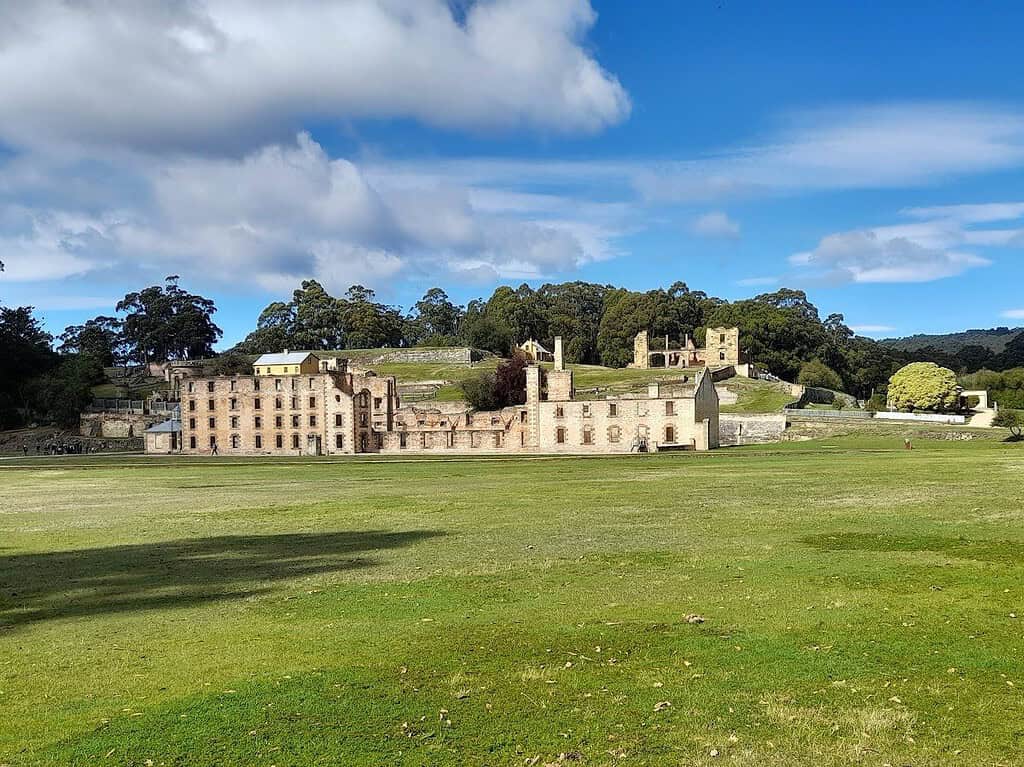
The Tessellated Pavement is a great stop, especially if the tide is low enough. Further along, Port Arthur Historic Site deserves several hours rather than a quick visit.
Another worthwhile stop is Tasman Arch and Devil’s Kitchen, where a short 600-metre circuit takes you to viewpoints overlooking the dramatic sea cliffs and rock formations. Allow around 20 minutes for the walk, although you may want longer to enjoy the views.
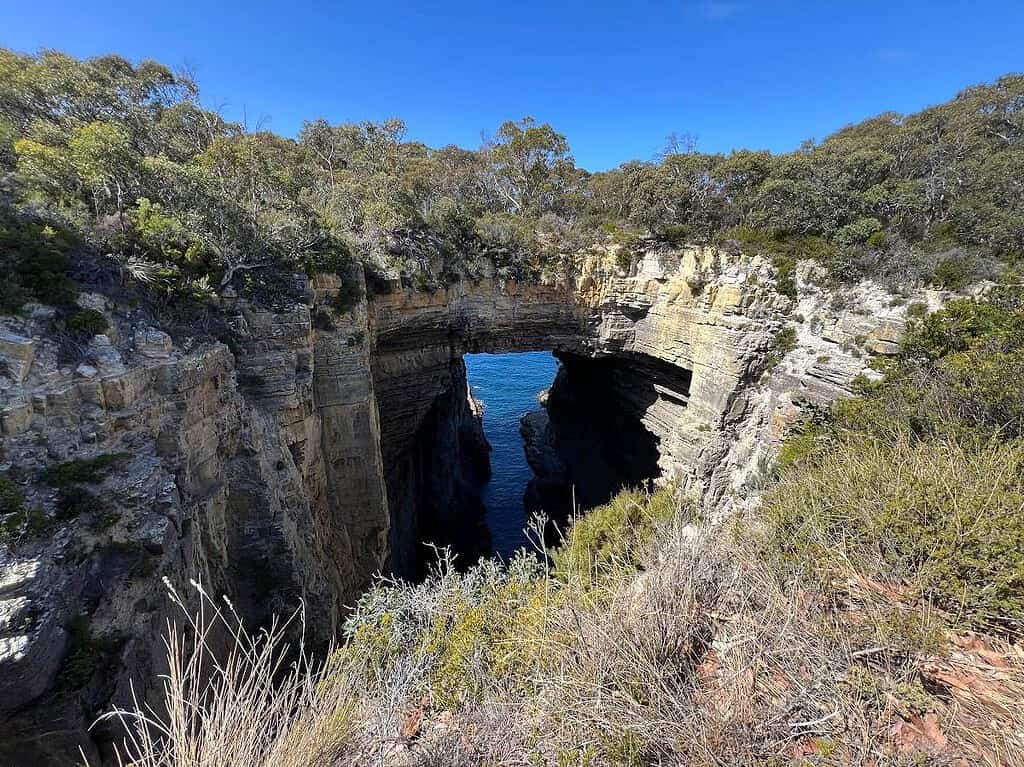
With so much to see on the peninsula, we’d suggest choosing a couple of nights if you can, rather than trying to fit everything into one day. This would give you a chance to explore Remarkable Cave and the peninsula’s coastal walks.
Day 3: Port Arthur to Orford
Driving: Approximately 150 km, 2–2.5 hours
Overnight: Orford or Triabunna
Travel back towards Sorell before joining the east coast route towards Orford.
You could spend the afternoon enjoying the beaches and coastal walks around Orford, or continue to nearby Triabunna.
Raspins Beach at Orford is a lovely place to stretch your legs, with views across Prosser Bay towards Maria Island. It’s also worth taking some time to explore the waterfront around Triabunna, particularly if you’re considering a visit to Maria Island.
If Maria Island is on your wish list, we’d suggest adding a night here. It’s reached by passenger ferry, and a full day gives you time to explore the historic settlement, walking tracks and wildlife.
Having a shorter drive today also gives a chance for a little more time around the Tasman Peninsula in the morning.
Day 4: Orford to Freycinet National Park
Driving: Approximately 115 km, 1.5–2 hours
Overnight: Coles Bay or Freycinet area
Continue north through Swansea towards Coles Bay, the gateway to Freycinet National Park. We’ve allowed two nights here, giving you plenty of time to explore this beautiful part of Tasmania.
Once you’ve settled in, head out to Cape Tourville Lighthouse, where an easy 600-metre circuit offers sweeping views across the peninsula, Wineglass Bay and the Tasman Sea. It’s a great introduction to Freycinet’s distinctive pink granite mountains and coastline.
For something a little different, wander down to Honeymoon Bay or Sleepy Bay, where enormous granite boulders frame the little coves. If you enjoy seafood, stop at Freycinet Marine Farm for fresh local oysters overlooking the waters where they’re grown.

Day 5: Explore Freycinet National Park
Driving: Local sightseeing
Overnight: Coles Bay or Freycinet area
Today is all about exploring Freycinet, and there are some wonderful ways to experience the national park depending on your interests and fitness level.
The Wineglass Bay Lookout walk is one of Tasmania’s most popular, climbing through coastal bushland to a viewpoint overlooking the famous crescent-shaped beach. Allow around 1–1.5 hours return, with some steep sections and steps along the way.
If you’re keen on a longer walk, you can continue down to Wineglass Bay itself and return via Hazards Beach on a circuit of approximately 4–5 hours. Alternatively, the half-day Wineglass Bay Cruise takes you along the coastline past towering pink granite cliffs, sea caves and secluded coves, with the chance to spot dolphins, seals and seabirds.
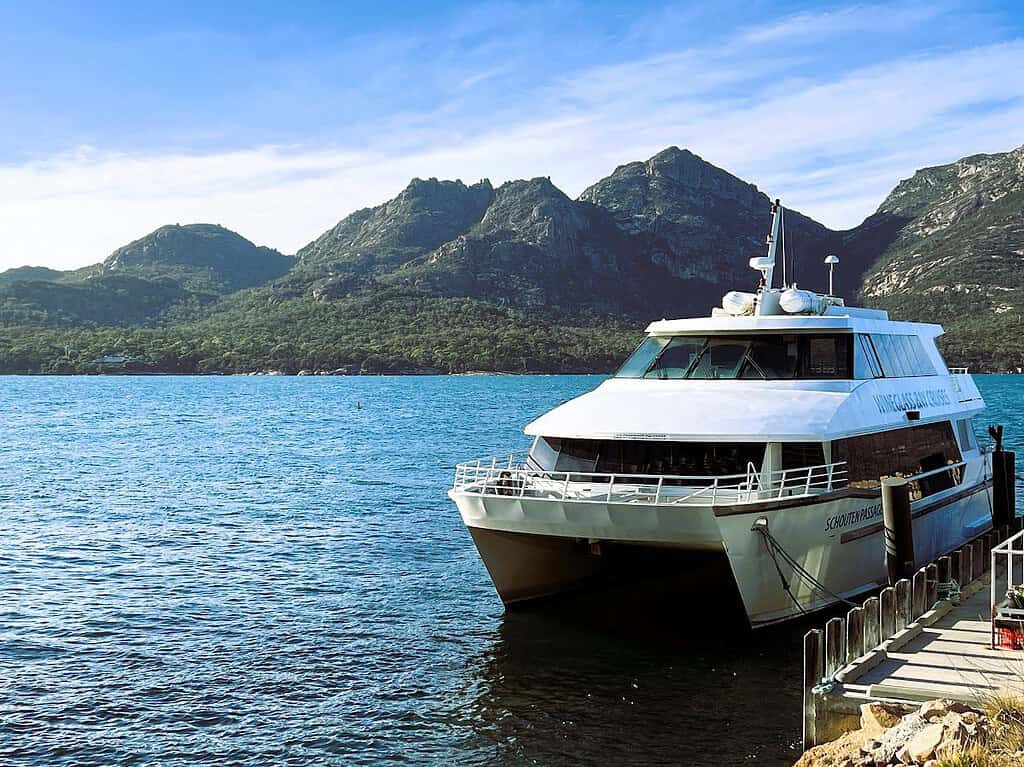
Whichever you choose, it’s worth planning ahead, particularly if you’re visiting during the busier summer months. Popular cruises can book out, and an early start is a good idea for the longer walks.
Day 6: Freycinet to St Helens and the Bay of Fires
Driving: Approximately 115 km, 1.5–2 hours
Overnight: St Helens or Binalong Bay
Travel north through Bicheno towards St Helens, a relaxed coastal town and the gateway to the beautiful Bay of Fires.
From here, follow the coast to Binalong Bay, where white sandy beaches, clear blue water and granite boulders covered in orange lichen create some of Tasmania’s most recognisable scenery.
Take some time to explore the beaches, perhaps stopping at Jeanneret Beach or Swimcart Beach for a walk or picnic. Further north, The Gardens is another worthwhile stop, with sheltered rock pools and lovely coastal views.
Day 7: St Helens to Launceston
Driving: Approximately 165 km, 2.5–3 hours via Scottsdale
Overnight: Launceston
Leave the east coast and travel through Tasmania’s north-east, passing through Scottsdale on your way to Launceston.
Once you’ve arrived, Cataract Gorge is well worth a visit. Just minutes from the city centre, you’ll find walking tracks along the river, landscaped gardens, a swimming pool and a chairlift that takes you across the gorge. It’s quite a remarkable natural attraction to have so close to the heart of a city.
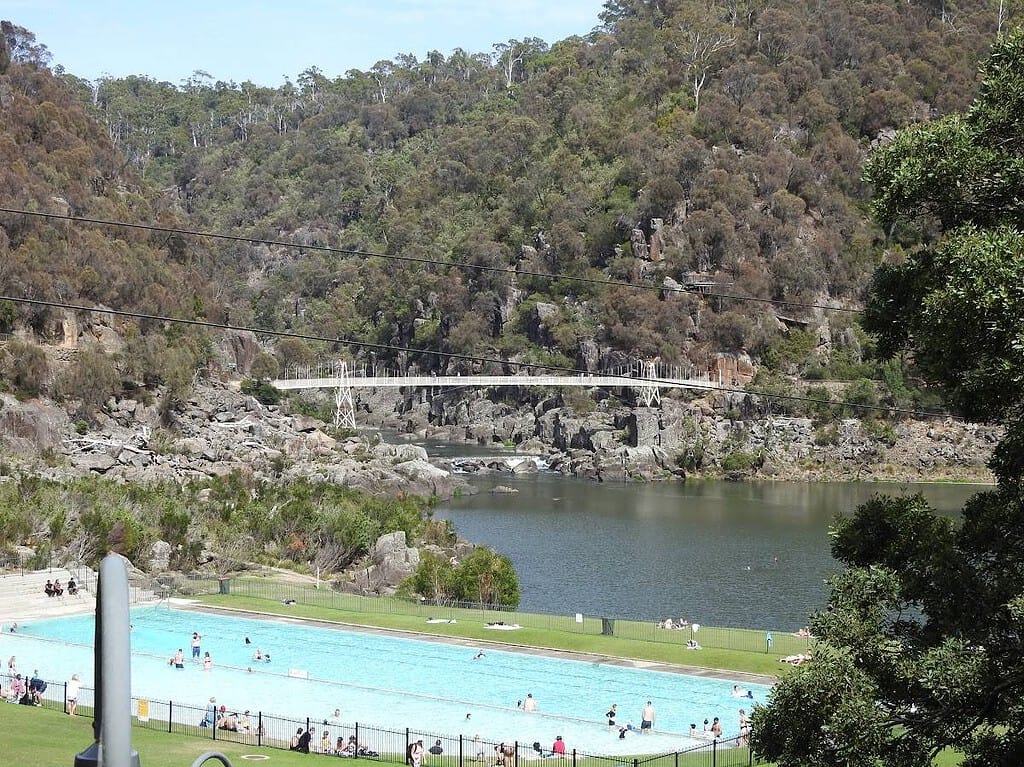
Launceston itself is worth exploring too, with its historic buildings, cafés and City Park, home to a small colony of Japanese macaque monkeys.
If you have more time, the nearby Tamar Valley is known for its wineries and local produce. With just ten days to explore Tasmania, we’d recommend making the most of your time in Launceston and saving the Tamar Valley for a longer trip.
If you have longer than 10 days, an extra night at Bridport is a great addition to this section.
Day 8: Launceston to Cradle Mountain
Driving: Approximately 140 km, 2–2.5 hours
Overnight: Cradle Mountain area
Today you’ll head towards Cradle Mountain, one of Tasmania’s most iconic natural attractions. You could stop in Deloraine or Sheffield, famous for its colourful murals, along the way.
If you have an extra night up your sleeve, we’d suggest breaking up today with a night around Mole Creek. This gives you a chance to enjoy the farm gate produce and tastings this area is popular for on the way from Deloraine. From salmon, to truffle and cheese, or exploring the cave system there is something for everyone.
Part of the Tasmanian Wilderness World Heritage Area, Cradle Mountain is a remarkable landscape of jagged mountain peaks, ancient rainforest, glacial lakes and open alpine plains. It’s also home to plenty of native wildlife, including wombats, wallabies and Tasmanian devils. We’ve allowed two nights here, so you’ll have a full day to explore tomorrow.
If you arrive early enough, you might enjoy one of the shorter walks, such as the Enchanted Walk through mossy rainforest or the easy Pencil Pine Falls circuit. Alternatively, visit Devils@Cradle wildlife sanctuary to learn more about Tasmania’s famous native marsupials.
Motorhomes and campervans cannot travel along Dove Lake Road, so you’ll need to use the shuttle bus from the visitor centre to access the main walking areas. Make sure you allow time to organise your park entry and check the shuttle arrangements.
One thing worth knowing: Cradle Mountain’s weather can change very quickly, even in summer. Bring warm clothing and waterproof layers, regardless of the forecast.
Day 9: Explore Cradle Mountain National Park
Driving: Local sightseeing
Overnight: Cradle Mountain
Today you have a full day to explore Cradle Mountain, with plenty of walking trails and wildlife experiences to choose from.
The Dove Lake Circuit is one of the most popular walks, taking you around the glacial lake beneath Cradle Mountain’s distinctive peaks. Allow approximately 2–3 hours for the 6 km circuit, with wonderful views along the way.
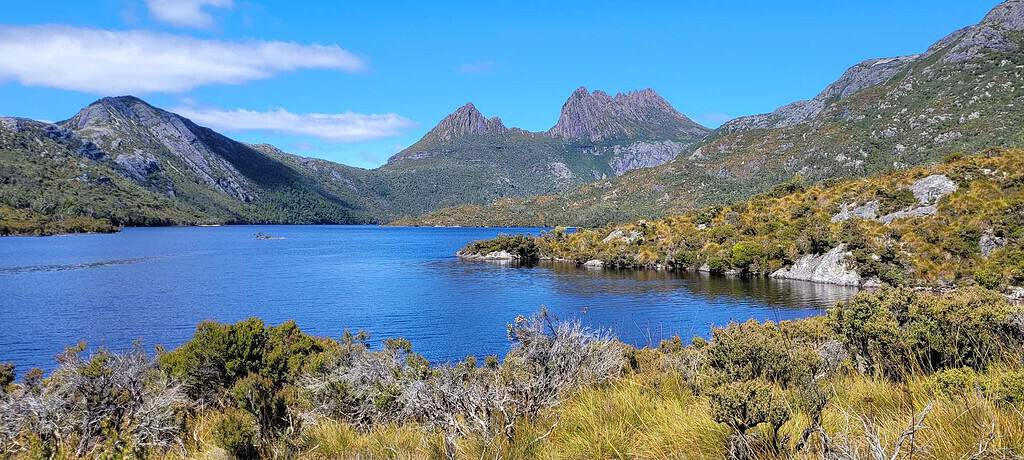
For something more challenging, experienced walkers might consider Marion’s Lookout or the Crater Lake walk. If you’d prefer something gentler, there are shorter walks around Dove Lake, including the Boat Shed and Glacier Rock.
Ronny Creek is another worthwhile stop, particularly if you’re hoping to see wombats grazing among the buttongrass plains.
Whether you’re keen on a longer hike or prefer to take things at a slower pace, there’s plenty to enjoy here before your final day on the road tomorrow.
Day 10: Cradle Mountain to Hobart via Ross
Driving: Approximately 320 km, allow 4–4.5 hours
Vehicle return: Hobart
Make an early start today, ideally leaving Cradle Mountain around 08:00 for your final journey south to Hobart.
Break up the drive with a stop in Ross, one of Tasmania’s charming historic towns, known for its beautiful sandstone buildings and convict-built bridge. Enjoy a wander through the village and an early lunch before continuing towards Hobart.
Aim to arrive at your campervan rental depot by around 14:00, allowing time to refuel and complete the vehicle return. Depot opening hours and return requirements vary between rental companies, so check your booking details carefully when planning your final day.
After ten days exploring Tasmania, you’ll have experienced some of the island’s highlights, but you’ll also appreciate just how much more there is to see. If time and budget allow, it’s well worth considering a longer trip from the outset.
How can you extend your Tasmania itinerary to 14 days?
A 14-day Tasmania itinerary gives you four extra days to enjoy the destinations already on this route. Rather than adding lots more driving, we’d use those nights to visit places that are difficult to fit into ten days.
For a two-week Tasmania itinerary, we’d suggest:
- An extra night on the Tasman Peninsula: Explore Port Arthur and the surrounding coastal attractions without rushing.
- An extra night around Triabunna: Spend a full day on Maria Island, reached by passenger ferry.
- An extra night around the Bay of Fires: Explore more of the coastline north of Binalong Bay.
- An extra night in Launceston or Bridport: Shorten the drive into Launceston, or spend an extra night to allow more time to explore the city and nearby Tamar Valley, known for its wineries, local produce and scenic countryside. If you’re a foodie, you could swap one of these nights for a night near Mole Creek to have more time to enjoy the farm gates on the way from Deloraine.
What could you see with 21 days in Tasmania?
With 21 days, you can plan a much broader Tasmania road trip, including the west coast and north-west as well as the destinations covered in our 10-day itinerary. Three weeks is the timeframe we’d particularly recommend if you want to experience more of the island without feeling you’re constantly on the move.
Rather than following the 10-day route, we’d adjust the loop to include places such as Stanley, Cradle Mountain, Strahan, Queenstown and Lake St Clair.
Stanley, on the north-west coast, is known for its historic village and the distinctive flat-topped formation called The Nut. It’s a worthwhile area to explore rather than simply passing through.
From Cradle Mountain, you could continue towards Strahan, where we’d recommend allowing at least two nights if you’d like to take a Gordon River cruise. Queenstown and the surrounding west coast landscapes offer a very different experience from the east, while Lake St Clair provides another opportunity to enjoy Tasmania’s national parks.
You could then return towards Hobart, with more time to explore southern Tasmania before finishing your road trip. Three weeks also allows for two or three-night stays and more flexibility along the way.
Which campervan suits Tasmania’s roads?
A 2WD campervan is suitable for Tasmania’s main touring routes, including the roads used in this itinerary.
When choosing your campervan or motorhome, think about the features that will make your holiday most comfortable. Would you prefer an onboard toilet and shower, a permanent bed, more living space or an awning for al-fresco eating? Consider how many people are travelling, the layout that suits you and which features are most important.
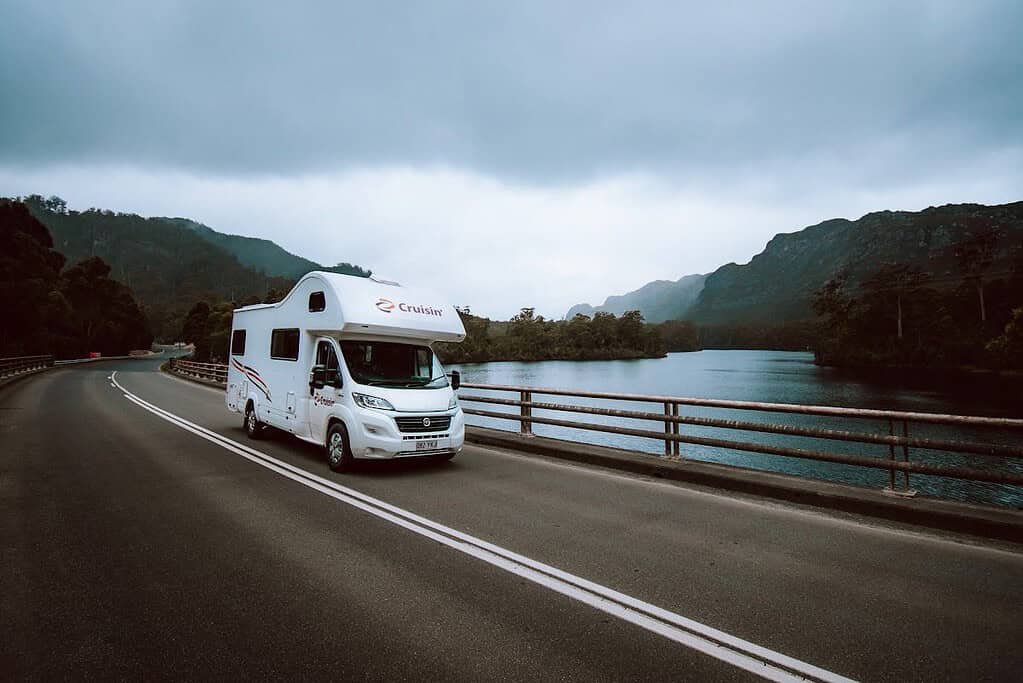
For more guidance, take a look at our guide to choosing the best motorhome hire in Australia. And if you’re still unsure, the Gallivanting Oz team can help you compare the options and find a vehicle that suits your travel plans and preferences.
Where can you stay overnight in Tasmania?
Tasmania offers a wonderful variety of camping options, from well-equipped holiday parks to beachside camps and peaceful national park settings. Depending on your preferred travel style and the facilities you need, you can enjoy a mix of different overnight stays throughout your campervan holiday.
Commercial caravan and holiday parks
These are a popular choice for campervan travellers, with powered and unpowered sites, showers, toilets, laundry facilities and often camp kitchens. They’re particularly convenient when you need to top up your water supply, recharge your batteries or simply enjoy a few extra comforts.
National park campgrounds
For those who enjoy being close to nature, Tasmania has some beautiful camping areas within or near its national parks. Facilities vary considerably, from basic bush camping to more established sites with toilets and other amenities. Some require bookings, and national park entry fees may apply.
Free and low-cost camping
Tasmania also has a good selection of designated free and low-cost camping areas, including some lovely coastal and riverside locations. These generally offer fewer facilities, and some are only suitable for self-contained vehicles. Always check local signage, permitted camping areas and any stay limits before settling in.
A little planning goes a long way
During popular holiday periods, we’d recommend booking commercial caravan parks and reservable national park campsites in advance, particularly around destinations such as Freycinet and Cradle Mountain. If you’re planning to visit several national parks, it’s also worth looking into a Tasmania Parks Pass, which can cover entry to multiple parks during your holiday.
When is the best time to visit Tasmania?
November to April is a popular time for a Tasmania campervan holiday, with generally milder weather and longer daylight hours for sightseeing. December and January are especially busy with the Australian summer school holidays, so it’s worth booking popular campgrounds well ahead.
Spring and autumn have their own appeal. The weather is cooler, but Tasmania’s landscapes are beautiful as the seasons change. These months can be a great choice if you’d prefer to travel outside the busiest summer holiday period.
Winter brings colder temperatures, shorter days and the possibility of snow in the mountains, but it can also be a wonderful time for a more adventurous, off-season holiday. If you’re travelling in winter, check attraction, tour and campground availability, as well as road and walking track conditions. Tasmania’s weather can change quickly in any season, so pack layers and allow some flexibility in your plans.
Planning your Tasmania campervan holiday
From the dramatic coastline of the Tasman Peninsula to the beaches of the east coast and the rugged beauty of Cradle Mountain, Tasmania has so much to offer. Whether you have 10 days or three weeks, a campervan holiday gives you the freedom to discover the island at your own pace.
At Gallivanting Oz, we know Tasmania well and can help you find the right campervan for your holiday, with expert advice on vehicle options, travel routes and planning your time on the island.
And, if you are short on time, you may find our Tasmania Motorhome Holiday: A 7-Day Itinerary Guide useful also.
Ready to start planning your Tasmania road trip? Get in touch with our friendly team and let us help you make it happen.
Tags: tasmania