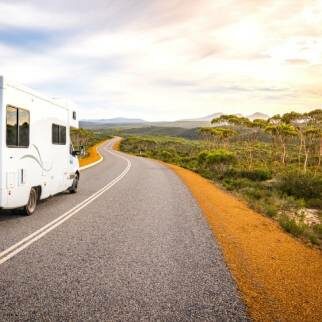
There’s a moment on the road into Kakadu National Park when the landscape seems to open up around you. The traffic thins, the sky stretches wider, and great termite mounds rise from the grass like weathered sculptures. Beyond them lie floodplains, paperbark forests and ancient escarpments shaped by seasons far bigger than our own.
Travelling Kakadu in a motorhome gives you time to notice these changes. You’re not simply arriving at a list of attractions; you’re moving slowly through a landscape that reveals itself one layer at a time. A morning might begin with the calls of magpie geese drifting across a nearby wetland. By late afternoon, you could be watching the stone country turn amber in the sinking sun.
It’s this unhurried way of travelling that makes a Kakadu National Park motorhome adventure so rewarding.
When Is the Best Time to Visit Kakadu?
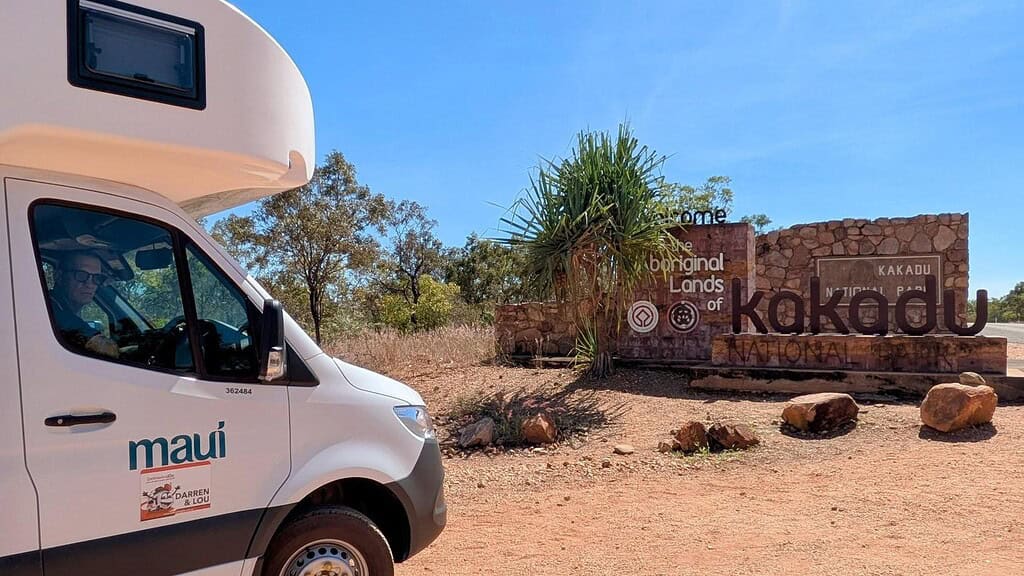
For most motorhome travellers, the best time to visit Kakadu is the dry season from May to September. Days are generally warm and sunny, humidity is lower, and the cooler evenings are welcome after a day spent walking and exploring. Most of the park’s main roads, campgrounds and visitor areas are accessible, although conditions can still change from year to year.
The dry season is also excellent for wildlife viewing. As the wetlands gradually recede, birds and other animals gather around the remaining water, creating wonderful opportunities for photography and quiet observation. A Top End dry season road trip is popular, so it pays to plan ahead. Campgrounds and cruises can fill quickly, particularly from June through August.
The tropical summer, from roughly November to April, presents a completely different Kakadu. Waterfalls thunder from the escarpment, the bush becomes intensely green, and dramatic afternoon storms roll across the sky. It can be spectacular, but heavy rain, flooding and seasonal road closures may limit where you can travel.
For a first Kakadu National Park motorhome adventure, the dry season usually offers the best balance of comfortable weather, easier driving and access to the park’s major highlights.
Highlights Across Kakadu
Ubirr: Ancient Stories and Expansive Views
Ubirr is one of those places where it’s worth putting away the timetable. The walking trail leads past galleries of Aboriginal rock art, including detailed depictions of fish, turtles and other animals traditionally hunted in the region. These works form part of a living cultural landscape cared for by Kakadu’s Bininj and Mungguy people.
From the galleries, a rocky climb leads to Nadab Lookout. The view opens across green floodplains and distant stone country, with very little to interrupt the horizon. Late afternoon brings softer light and cooler conditions, although you’ll want sturdy footwear and plenty of drinking water.
Take your time on the way up and allow a few quiet minutes at the top simply to absorb the scale of the country around you.
Burrungkuy (Nourlangie): Rock Art Beneath the Escarpment
Burrungkuy, also widely known as Nourlangie, offers another window into Kakadu’s extraordinary cultural heritage. Its shaded rock shelters and art galleries sit beneath a sweeping sandstone escarpment. Well-marked paths connect the main sites, while interpretive signs help explain some of the stories, traditions and seasonal knowledge represented in the art.
The nearby Nawurlandja lookout is also worth including. The walk is relatively short, but the rocky surface can be uneven. From the top, you can look back towards Burrungkuy and across the surrounding woodland—a particularly lovely sight as the afternoon light warms the escarpment.
Yellow Water: Kakadu at Water Level
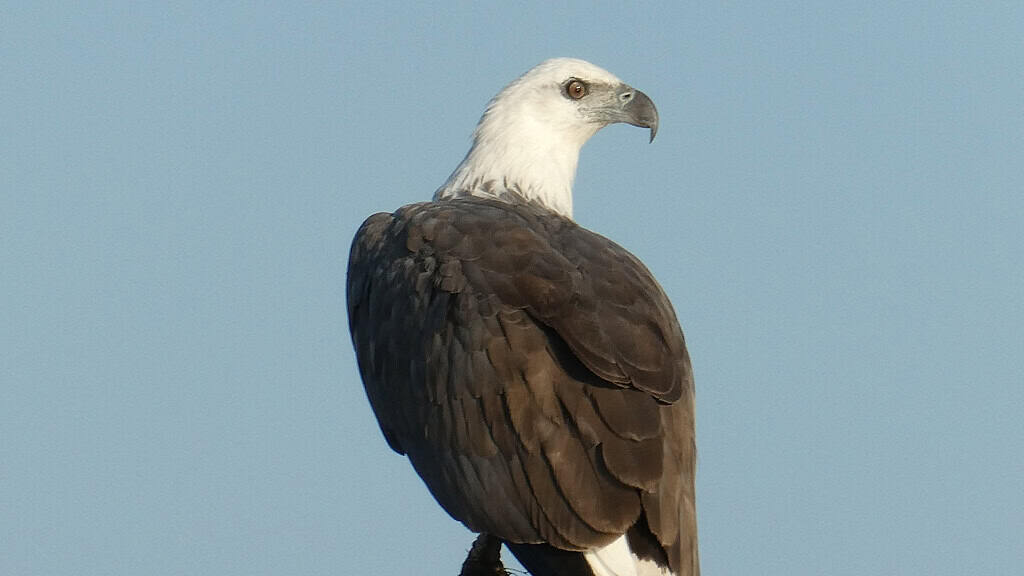
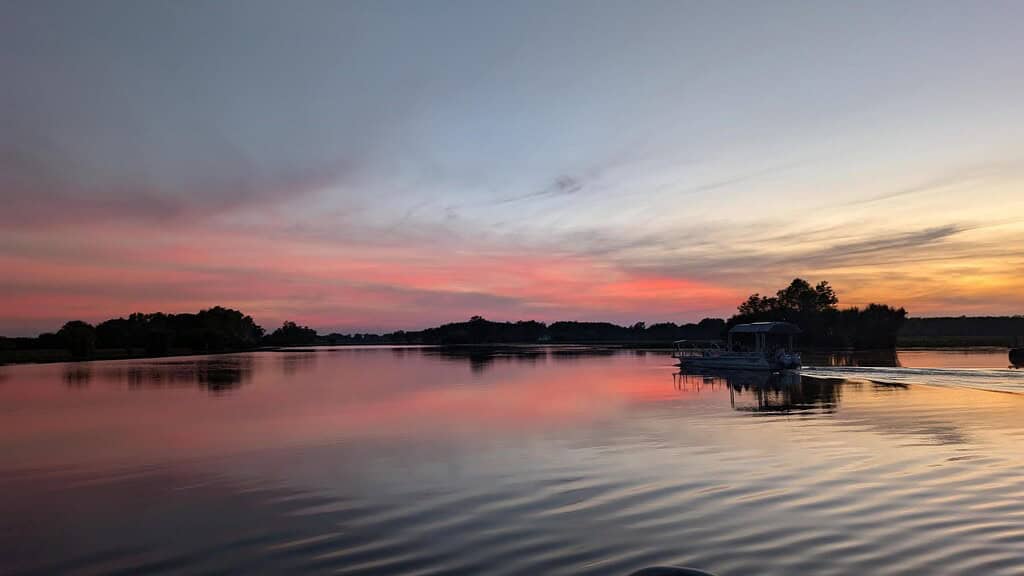
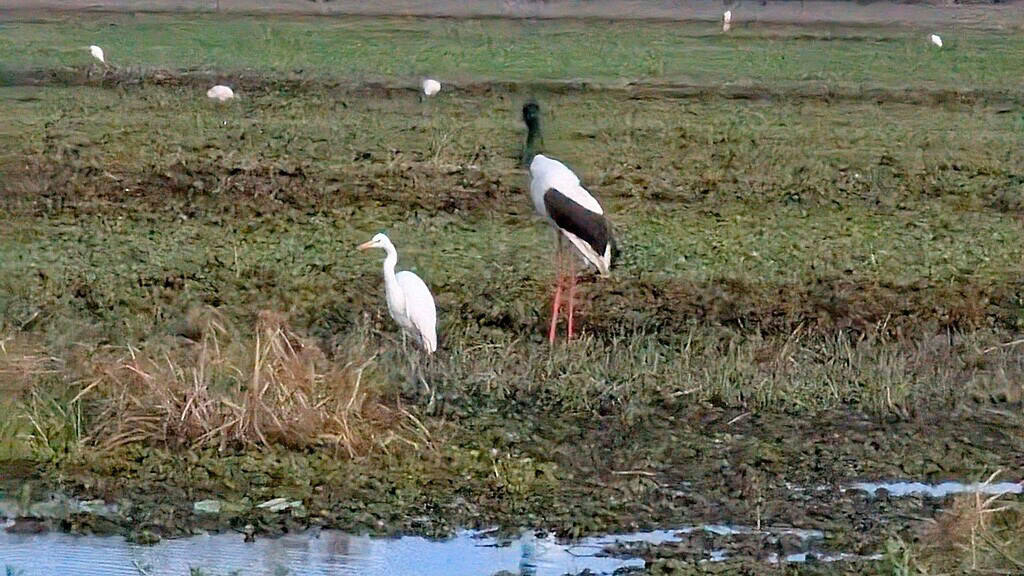
Yellow Water Billabong has a different energy. Here, the landscape is seen from the water, where every movement seems sharper against the stillness. A cruise may take you past jacanas stepping lightly across lily pads, sea eagles watching from bare branches and saltwater crocodiles resting along the muddy banks.
The guides add valuable context, pointing out wildlife and explaining how dramatically the wetlands change between seasons. Sunrise has a soft, hushed atmosphere, while sunset brings deeper colours and striking reflections. Both are beautiful, so the choice often comes down to whether you prefer an early start or a slower evening.
After the cruise, returning to your motorhome for breakfast or a relaxed dinner feels wonderfully simple. That combination of remarkable experiences and everyday comfort is one of the pleasures of travelling this way.
Jim Jim Falls and the More Remote Kakadu
Jim Jim Falls showcases Kakadu’s rugged escarpment country, with immense rock walls surrounding a deep plunge pool and sandy beach. Access is seasonal and involves an unsealed road, so a 4WD hire camper will be required rather than a traditional 2WD motorhome hire.
In 2026, road access is remaining closed due to roadworks. Looking ahead, we hope that next season this will be possible again after the road works are completed. Always check current road advice and your rental vehicle conditions before setting out.
Once open again, even when the waterfall has slowed later in the dry season, the scale of the gorge is impressive. This is a place that asks for a little more effort, but it also provides a memorable contrast to Kakadu’s open wetlands.
Why Kakadu National Park Works So Well by Motorhome
Kakadu covers a vast area, and its main attractions are spread across the park. Having your accommodation with you makes those distances easier to manage. There’s no daily packing and unpacking, and you can prepare a simple meal whenever it suits.
More importantly, a motorhome allows space in the itinerary. You can spend longer at a lookout, pause during the hottest part of the afternoon or stay another night when a particular area captures your attention.
Choosing the right vehicle matters, especially in the Top End. Comfortable bedding, good ventilation, practical storage and a layout that suits the way you travel can make a considerable difference. Many parts of the national park are sealed, so you can easily obtain access in your 2WD motorhome hire.
Gallivanting Oz provides personalised help with motorhome hire, including guidance on vehicle options, routes and seasonal conditions.
Practical Tips for Your Kakadu Road Trip
A little preparation helps keep a Kakadu road trip comfortable and enjoyable.
- Allow at least three to five days, and longer if you prefer a relaxed pace.
- Book popular campgrounds and Yellow Water cruises well ahead.
- Carry more drinking water than you expect to need.
- Plan walks for the cooler morning hours where possible.
- Wear sturdy footwear, sun protection and insect repellent.
- Check road and access conditions before each day’s drive.
- Obey all crocodile warning signs and keep well back from the water’s edge.
- Avoid driving at dawn, dusk or after dark when wildlife is more active.
- Grab your national park pass online before you go to save time.
Distances can be deceptive in the Top End. Leave room between activities rather than trying to fit too much into one day. Kakadu is best enjoyed when there’s time to stop, look and change plans occasionally.
Exploring Kakadu with Gallivanting Oz
Independent travel offers wonderful freedom, but some people prefer the reassurance of having the larger journey organised. Gallivanting Oz’s Darwin to Perth escorted motorhome tour brings together the tropical landscapes of the Top End, the Kimberley and Western Australia’s remote northern coast. With experienced tour leaders, planned campsites and a friendly small group, you can enjoy the independence of your own motorhome while knowing practical support is close by.
It’s a comfortable approach for travellers who want to experience remarkable country without carrying the full weight of planning a long and complex route. We also include Kakadu National Park on our popular Brisbane to Darwin and the iconic Adelaide to Darwin escorted motorhome tours too.
Let Kakadu Set the Pace
A Kakadu National Park motorhome adventure isn’t defined by how many places you fit into a day. It’s found in the cool air before sunrise, the sudden flash of a kingfisher over the water and the changing colour of an escarpment as evening settles across the park.
Travel slowly. Leave space for the unexpected. Kakadu has been shaped over immense stretches of time, and it deserves more than a hurried visit.
When you’re ready to begin planning, talk with the Gallivanting Oz team about choosing a motorhome or journey that feels right for you.